

Integrated Energy Management, ELV, and Smart Building Solutions for modern enterprises.
We bridge the gap between technology and sustainability. We design, deploy, and manage intelligent building ecosystems that optimize energy consumption, enhance security, and maximize operational efficiency. From robust ELV frameworks to intuitive automation, we turn traditional properties into high-performing smart buildings.
Our Core Solutions
Intelligent Energy Management Solutions
- Smart Metering & Analytics: Track power, water, and gas usage in real time.
- Power Quality Analysis: Prevent equipment downtime and optimize grid efficiency.
- Automated Demand Response: Reduce peak-load charges seamlessly.
Advanced ELV (Extra-Low Voltage) Systems
- Security & Surveillance: IP CCTV, access control, and intrusion detection.
- Structured Cabling & Networking: High-speed data infrastructure.
- Public Address & Intercom: Clear, reliable mass communication setups.
Smart Building Automation
- Integrated BMS (Building Management Systems): Centralized control of HVAC, lighting, and plumbing.
- Smart Lighting Controls: Daylight harvesting and occupancy-based dimming.
- IoT & Sensor Integration: Real-time environmental monitoring (air quality, temperature, and occupancy).
Structured Cabling and Network Infrastructure

Every digital system in a building runs on cabling infrastructure. Getting this right at construction or fit-out stage is far cheaper than correcting it later.
A well-installed cabling system supports the network for the building’s lifetime, accommodates changes in equipment without rewiring, and gives you a documented baseline that future contractors can actually work from.
For developments under construction, we coordinate with the M&E contractor and main contractor to ensure conduit routes, tray sizing, and riser space are correctly specified before walls are closed.
CCTV Surveillance Systems

Modern IP-based CCTV goes well beyond recording. Analytics built into the cameras and the video management software can detect loitering, identify vehicles, count people, and flag events in real time — not just provide footage for review after something happens.
We design CCTV systems based on what the client actually needs to see. Camera placement is planned against the coverage requirements, not just the floor plan. Lighting conditions, lens selection, resolution requirements, and storage retention periods all affect the design.
For large or multi-site deployments, we integrate cameras into a centralised management platform with role-based access — so security staff see what they need to, and management can access recordings without navigating the same interface as the control room.
We work across: commercial buildings, residential developments and gated communities, campus environments, industrial facilities, and mixed-use projects.
Access Control Systems
A key and a lock is access control. So is a fingerprint reader connected to a motor lock, integrated with a visitor management platform, logging every entry and exit to an auditable record.
We design and install access control systems from single-door configurations through to enterprise-wide deployments covering hundreds of readers across multiple buildings. The systems we integrate support card and fob readers, biometric authentication (fingerprint and face recognition), vehicle boom barriers and ANPR cameras for car park control, and time and attendance recording.
Integration with CCTV is standard — an access event triggers a camera view of that door, so you have visual confirmation of who went through when.
For developments and townships, we design systems that separate resident access, visitor access, staff access, and contractor access — with different authentication methods and audit trails for each.
Building Management Systems (BMS)
A BMS ties the mechanical and electrical systems of a building into a single monitoring and control platform. HVAC, lighting, power metering, fire alarm interfaces, access control status, elevator status — visible from one interface, with alerts when something falls outside its expected parameters.
For building operators, this means faults are identified early, energy waste is visible (and therefore reducable), and maintenance can be planned based on actual system data rather than a fixed schedule. A chiller that’s drawing more power than normal is flagging that something needs attention before it fails.
We integrate BMS platforms for commercial buildings, campus environments, and large mixed-use developments. The scope of integration depends on what systems are present — we work with the M&E contractor to ensure the correct data points are exposed and connected.
Intercom, Public Address, and Audio-Visual Systems
Intercom systems for residential developments need to be reliable, simple to use for residents, and capable of handling visitor management at multiple entry points simultaneously. We specify and install IP-based intercom systems that connect entry panels to apartments via the building network, support remote access from mobile devices, and integrate with access control at entry gates.
Public address systems for commercial buildings, campuses, and mixed-use developments serve both day-to-day paging and emergency notification. The design requirement for an emergency PA is different from a background music system — it needs to achieve a specified sound pressure level in all occupied areas, even during a fire alarm condition.
For conference rooms and meeting facilities, we design and integrate AV systems — display and projection, audio conferencing equipment, room control systems, and the cabling infrastructure that connects them. A room where the AV works reliably and is straightforward to operate is a better meeting room.
Smart Energy Monitoring and Automation
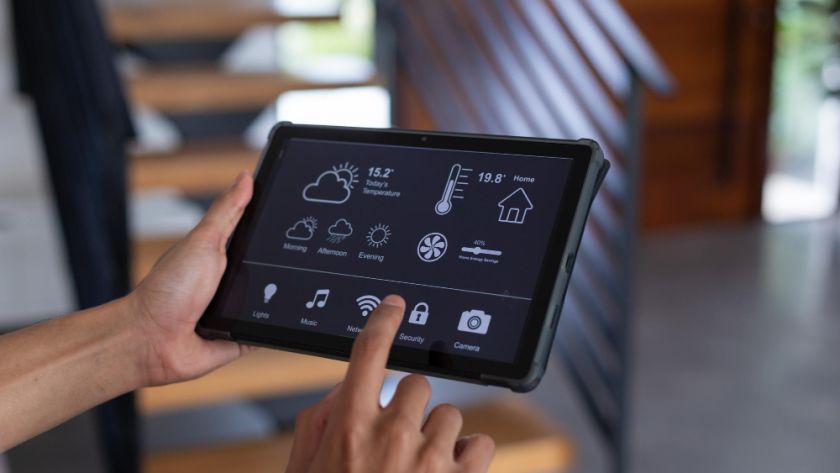
Sub-metering at the building, floor, or tenancy level gives facility managers and building owners visibility into exactly where energy is being consumed. Combined with automation controls — lighting that responds to occupancy, HVAC setpoints that adjust based on occupancy and time, smart scheduling for non-critical systems — this reduces consumption without requiring manual intervention.
We integrate smart energy platforms with BMS infrastructure and with building automation systems, providing dashboards that make energy performance visible and actionable.
For developments incorporating solar generation or battery storage, we connect the energy management system to the generation and storage assets, so consumption from the grid and from solar can be monitored and managed together.
Smart Townships and Large-Scale Developments
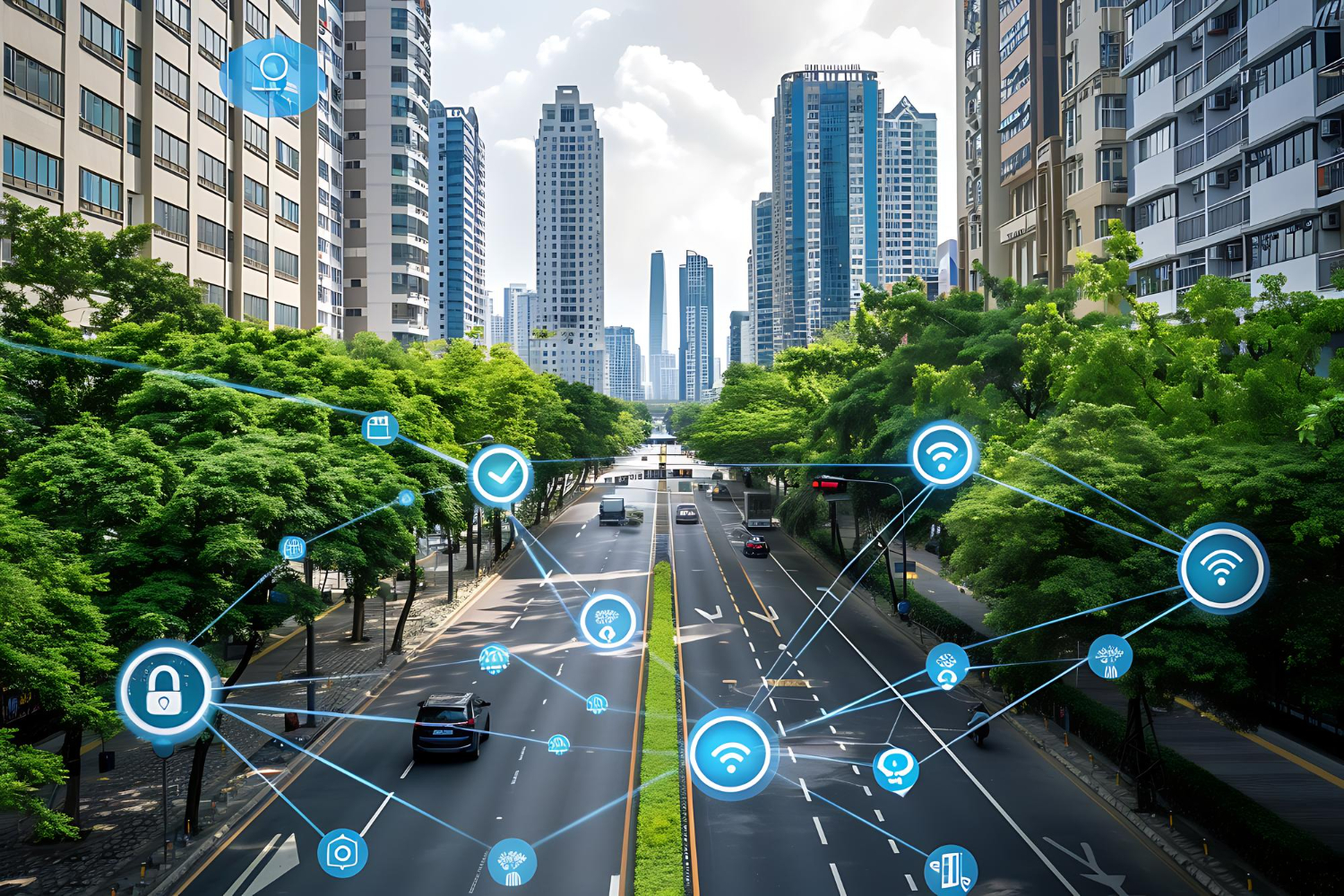
Township-scale smart infrastructure is not the same as equipping individual buildings. It involves coordinating infrastructure across hundreds of residential units, common facilities, commercial lots, and public spaces — all on a shared network, with shared security and monitoring systems, and a centralised management platform for the developer or management corporation.
We work with developers from the design stage to plan the ELV and smart infrastructure for townships and gated communities, covering: backbone fibre network, CCTV at all entry and critical points, access control for common areas and entry gates, central monitoring for security and facilities, smart metering, and resident-facing platforms for visitor management and community communications.
Early engagement in the development process matters. The decisions made at design stage — where fibre risers go, how conduits are routed, what standards the cabling is built to — determine what the infrastructure can support over the next thirty years.
Our Approach
We do not supply components and leave integration to someone else. We take responsibility for the complete system — from design through to commissioning, user acceptance testing, and handover. Where multiple systems need to work together — CCTV feeding into the BMS, access control integrated with the visitor management platform, smart metering connected to the energy management dashboard — we make sure those integrations actually work before we hand over.
For ongoing support, we provide maintenance contracts that cover preventive maintenance schedules, response to faults, software updates, and system health reviews.